Community College Tuition Aid in NJ, NY, and CT for 2027
By Bao You-Know
Last-dollar programs can cover remaining community college tuition in NJ, NY, and CT. Who qualifies, what is covered, and the spring and FAFSA dates now.
The federal 2027–28 FAFSA is already open. New Jersey still has a spring-only state-aid window through Feb. 15, 2027. And starting in January 2027, New York is expanding SUNY and CUNY Reconnect for adult learners. If you are looking at a community college in New Jersey, New York, or Connecticut, this is the moment to check which last-dollar program you actually qualify for — and what "tuition-free" does and does not pay.
This guide maps the main official programs across the tri-state area. It is not a repeat of Daily Bao's earlier story on the CUNY and SUNY Reconnect expansion for Spring 2027. That article covers who is newly eligible under the expansion. This one places Reconnect next to New Jersey's Community College Opportunity Grant, New York's Excelsior Scholarship, Connecticut's Mary Ann Handley Award, and the transfer path into a public four-year college.
Aid rules, income caps, and campus lists change. Confirm every figure on the state agency or college-system page before you enroll. For the federal and New Jersey deadline calendar in more detail, see our FAFSA, CSS Profile, and NJ state aid deadline guide.
What last-dollar "tuition-free" actually means
When a state agency or college system calls a program "tuition-free" or "free," it almost always means a last-dollar grant. Last-dollar aid fills the remaining billed tuition — and, where the official rules say so, certain fees or books — after federal grants such as Pell, state grants such as New Jersey's Tuition Aid Grant (TAG) or New York's Tuition Assistance Program (TAP), and other scholarships are applied. If those other awards already cover tuition, the last-dollar grant may be $0. It is not a cash stipend, and it usually does not pay housing, food, or transportation.
Coverage also differs by program. New Jersey's Community College Opportunity Grant covers remaining tuition, up to 18 credits a term, and approved education fees. New York's Excelsior Scholarship is last-dollar on tuition only. SUNY and CUNY Reconnect, according to SUNY and the governor's office, cover tuition, fees, books, and supplies after other aid. Connecticut's Mary Ann Handley Award covers the gap between grants and tuition plus mandatory fees, not textbooks.
New Jersey: CCOG, NJ STARS, and the transfer path
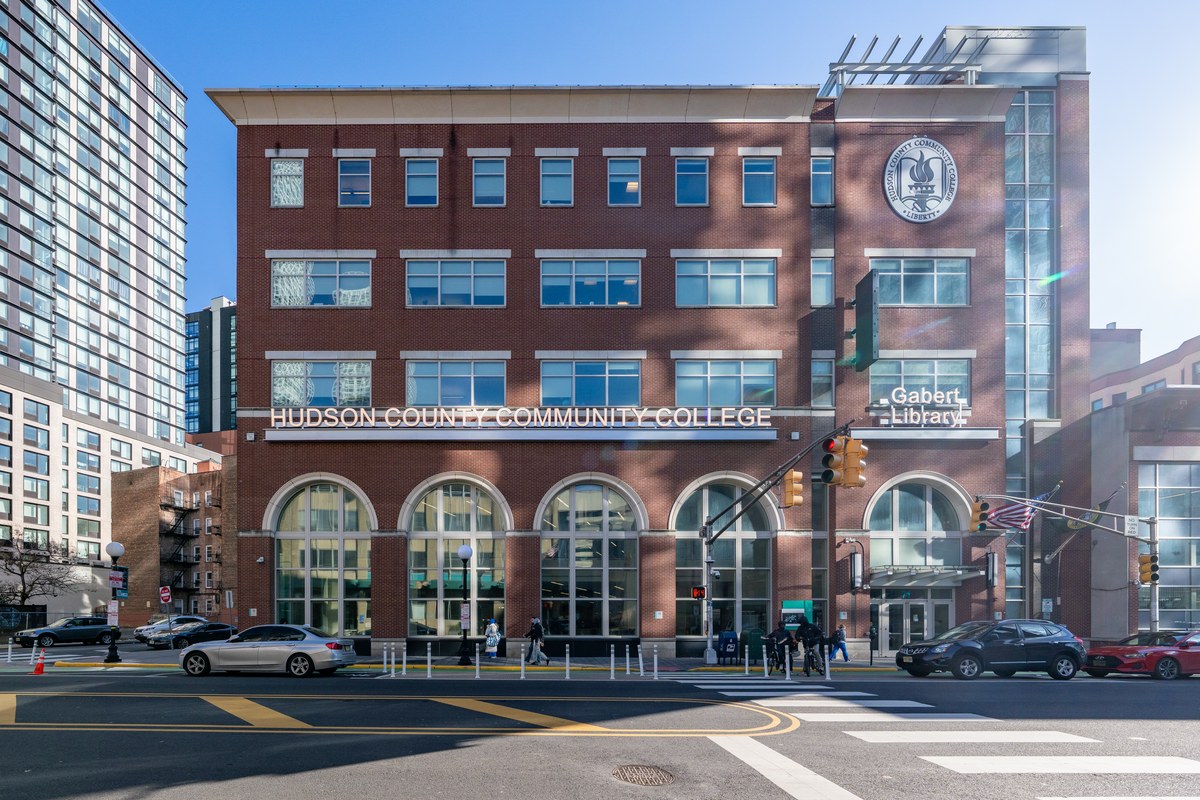
The Community College Opportunity Grant (CCOG) is New Jersey's main tuition-free community college program. The Higher Education Student Assistance Authority (HESAA) and the Office of the Secretary of Higher Education both say new awards go to New Jersey residents with an adjusted gross income between $0 and $65,000 who have not yet earned a college degree, enroll in at least six credits at a New Jersey community college, make satisfactory academic progress, and file the FAFSA or the NJ Alternative Financial Aid Application by the state deadline. For a dependent student, HESAA uses the parents' AGI; for an independent student, it uses the student's AGI, and a spouse's if applicable.
CCOG is last-dollar. HESAA says it covers remaining tuition, up to 18 credits per term, and approved education fees after other grants and scholarships are applied. If you attend a college outside your home county, HESAA and Middlesex College both warn that only the in-county tuition and fee rate is covered. The out-of-county surcharge is not. Books and living costs are not part of the award. There is no separate CCOG application: file the FAFSA or NJ Alternative Application, then watch your to-do list in NJFAMS.
Published rates help show what that in-county cap can look like. Middlesex College's official tuition page, effective with the summer 2026 term, lists in-county tuition at $128 a credit, or $218.50 with mandatory general, student-service, and technology fees. Out-of-county tuition is $138 a credit, or $228.50 with the same fees. Those figures are Middlesex's own; other county colleges set their own rates.
A different path is NJ STARS, a merit scholarship at your home county college. HESAA's fact sheet for 2026 high school graduates, along with Brookdale and Bergen program pages, says students in the top 15.0% of their class at the end of junior or senior year — a hard cutoff, with no rounding — may receive last-dollar tuition only, up to 18 college-level credits a semester, for up to five semesters. Fees and books are not covered. Students generally must enroll full-time in a degree program at the home county college and file the FAFSA or NJ Alternative Application by the same state deadlines.
County colleges such as Bergen, Middlesex, and Hudson administer these state programs. Official pages at those colleges, and at Nassau and Westchester in New York, point back to CCOG, NJ STARS, Reconnect, or Excelsior rather than a separate county promise. Middlesex College's "Debt-Free College" program is CCOG. High school students earning credit before graduation should use our dual enrollment guide, not treat those courses as a tuition-free associate degree.
The payoff for many CCOG students is the transfer into a public four-year. Under New Jersey's Comprehensive Statewide Transfer Agreement, an A.A. or A.S. from a New Jersey community college is designed to transfer as the first two years at a public four-year — typically half the bachelor's credits (60 in a 120-credit program, or 64 in a 128-credit program), with junior status if you meet remaining major, prerequisite, and graduation rules. Rutgers undergraduate admissions says students who have earned that A.A. or A.S. will enter with a maximum of 60 credits; remaining requirements vary by school. For how TAG fits the move, see our guide to the community college path to Rutgers and TAG.
In the third and fourth years of a first bachelor's degree at an in-state public four-year, the Garden State Guarantee can continue as last-dollar aid. HESAA and OSHE both set the current band for new awards at an AGI of $0 to $65,000, with full-time enrollment of at least 12 credits a semester. HESAA says the grant covers tuition and fees not already paid by other aid, for up to four semesters or 128 credits, whichever comes first. It counts third-year students as those with 60 to 89 accumulated credits and fourth-year students as those with 90 to 128, including transfer, Advanced Placement, and dual-enrollment credit. An on-time FAFSA or NJ Alternative Application is enough to be considered.
New York: Excelsior, Reconnect, and ASAP
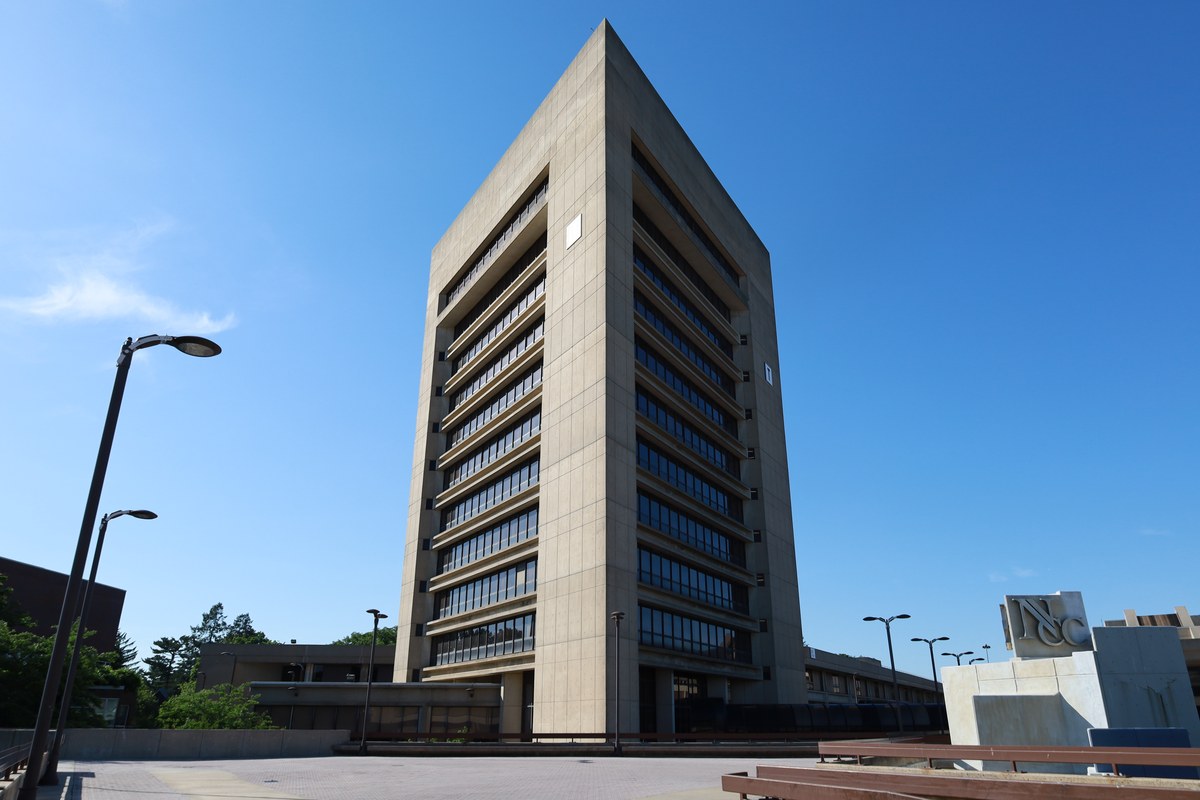
The Excelsior Scholarship is New York's last-dollar tuition program for full-time undergraduates at SUNY or CUNY, including community colleges. The Higher Education Services Corporation (HESC) and a 2026 state announcement both set the household combined federal adjusted gross income cap at $125,000 or less. Students must enroll full time, complete at least 30 credits a year in their program, and agree to live and work in New York for as many years as they received the award. HESC calls it a last-dollar scholarship: Pell, TAP, and other scholarships that are not designated for non-tuition costs apply to tuition first, and Excelsior covers remaining tuition only. It does not, on HESC's program page, cover fees or books.
One timing warning: The Excelsior Scholarship is now closed to new applicants. The state set the 2026–27 new-applicant deadline at Aug. 31, 2026, which has already passed. Returning recipients follow HESC's renewal instructions. Do not assume a spring application is open. Watch HESC's Excelsior page for the next cycle.
SUNY Reconnect and CUNY Reconnect are built for adult learners. Both programs offer free associate degrees in eligible high-demand fields for New Yorkers ages 25 to 55. SUNY says the program covers tuition, fees, books, and supplies after other aid, such as TAP, is applied. Nassau Community College adds that students must take at least six credits a semester and file the FAFSA and TAP. Starting in January 2027, SUNY and campuses such as Westchester Community College say the program is open to eligible New Yorkers in that age range, including those who already have a college degree. The details of that expansion — and who was already eligible in nursing — are in our Reconnect expansion article. Check your campus list of eligible programs before you plan a January start.
The billed tuition those programs start from is set by each campus or system. CUNY's official tuition page, which also posts 2026–27 student-budget figures, lists community college degree tuition for New York City residents at $2,400 a semester, or $210 a credit on a part-time schedule. New York State residents who live outside the city may use that rate if they file a Certificate of Residency. Nassau Community College's 2026–27 rates are $2,995 a semester, or $250 a credit, for Nassau County residents and for other New York State residents who file a valid certificate; fees are extra. SUNY Westchester lists resident tuition at $2,865 a semester, or $238 a credit, for fall 2026 and spring 2027, plus $256 in mandatory full-time fees before the equipment charge.
CUNY's ASAP program is different. It is not a statewide last-dollar tuition grant. CUNY describes it as a structured support model, now on associate and bachelor's pathways, that can include advising, a tuition-and-fee gap award, and help with textbooks. Ask the CUNY college directly whether you can join and what the gap award requires.
Connecticut: the Mary Ann Handley Award
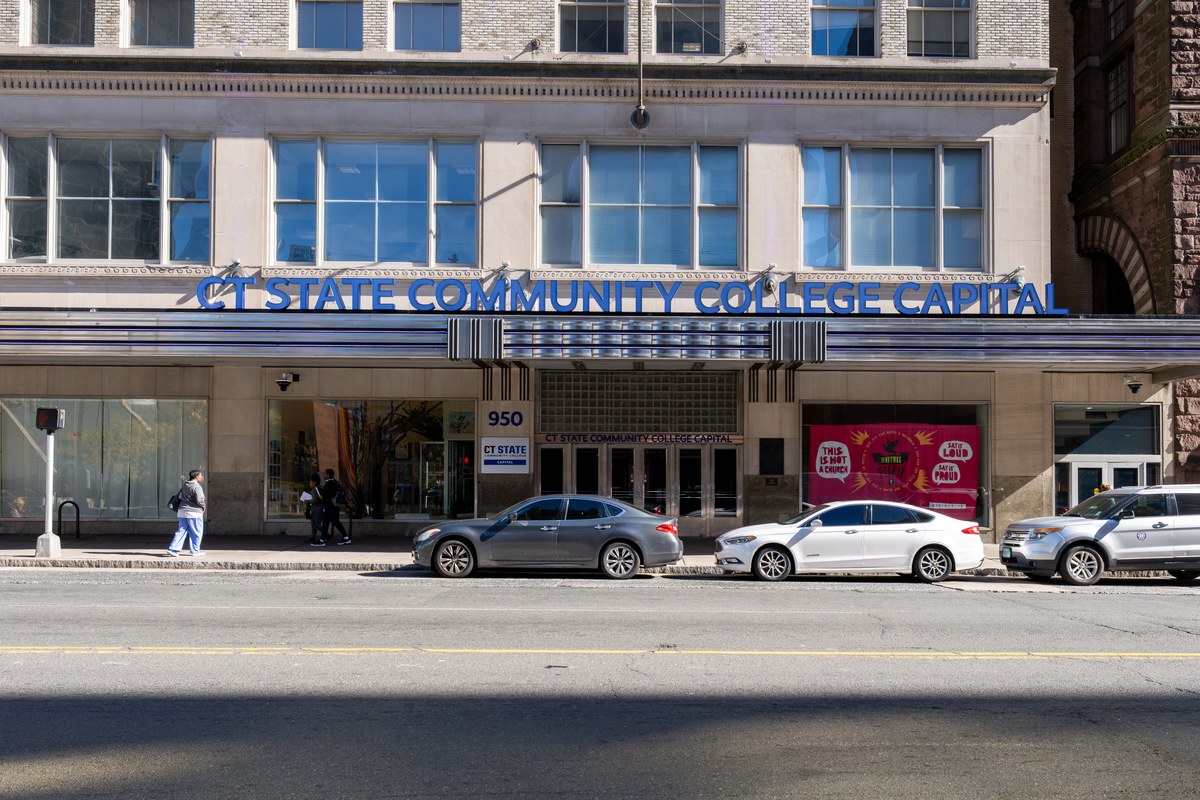
Connecticut's community college program is no longer branded only as PACT, the Pledge to Advance Connecticut. The Connecticut State Colleges and Universities system and CT State Community College now designate the funding as the Mary Ann Handley Award, and they still describe it as debt-free or tuition-free funding. It is last-dollar: it covers the gap between the federal and state grants you receive and community college tuition and mandatory fees.
CT State's catalog lists in-state tuition at $192 a credit. A schedule of 12 or more credits is $2,304 in tuition plus a $305 service fee, or $2,609 a semester and $5,218 for a full-time year. The in-state yearly total is the same $5,218 in the college's 2026–27 catalog and on its homepage. The Handley Award is meant to cover remaining tuition and mandatory fees after other grants; activity, transportation, or textbook charges can still appear separately.
To qualify, you must be a Connecticut resident, have a high school diploma, GED, or homeschool credential, complete the FAFSA — CT State asks for an official Student Aid Index — accept all grant aid, enroll in a degree or credit-bearing certificate program for at least six credits, and remain in good academic standing. Awards are first-come, first-served, and funding is limited. They apply to the fall and spring terms, not summer. CT State says the funding is available for the first 72 earned credit hours. Under the college's tuition-free operational manual, awards are available regardless of family income, textbooks and supplies are not covered, and students who were enrolled at any college or university before Fall 2020 are ineligible, except for coursework completed before high school graduation or non-credit work.
There is no separate income-cap form. Apply to a CT State campus, register for at least six credits, finish the FAFSA, and complete every financial-aid requirement as early as you can, because the colleges say they cannot guarantee an award once funds are allocated.
Dates that matter now
Start with the FAFSA. The 2027–28 form is open on StudentAid.gov for students attending college between July 1, 2027, and June 30, 2028. That form is what next fall's aid packages will use, including CCOG, NJ STARS, the Garden State Guarantee, Excelsior, Reconnect, and the Handley Award.
If you want to start at a New Jersey community college in Spring 2027 and you missed the Sept. 15, 2026, deadline, spring-only applicants still have a window under HESAA's 2026–27 calendar: the FAFSA or NJ Alternative Application must be received by Feb. 15, 2027, and the state record in NJFAMS must be complete by March 1, 2027, or 30 days from HESAA's initial notice. HESAA says deadlines are not extended for incomplete files. For 2027–28, HESAA's next-year calendar sets April 15, 2027, for students who received TAG in 2026–27 and want to renew, and Sept. 15, 2027, for high school seniors, first-time students, and others who did not receive TAG in 2026–27. Spring-only 2028 applicants have until Feb. 15, 2028. Confirm those dates on HESAA's live calendar, and use our deadline guide as a checklist, not as a substitute for the official page.
New York's Reconnect expansion is tied to Spring 2027 campus application periods, not a single statewide form date. Excelsior's 2026–27 new-applicant window has closed. In Connecticut, the Handley Award is first-come rather than a single posted deadline, so spring registration and a complete FAFSA should not wait.
FAQ
Does "tuition-free" mean I will pay nothing?
Not necessarily. Last-dollar programs cover remaining tuition, and only the fees or books listed in that program's rules, after other grants are applied. You may still owe uncovered fees, books, an out-of-county surcharge, housing, or food.
What income caps should we use right now?
For new CCOG and Garden State Guarantee awards, HESAA and OSHE both use an AGI of $0 to $65,000. Excelsior uses a household combined federal AGI of $125,000 or less. The Handley Award at CT State and CSCU has no income cap and is open regardless of family income, but funds are first-come and limited. For SUNY Reconnect income rules, check the SUNY Reconnect page before you apply.
Can I use CCOG and later get the Garden State Guarantee at Rutgers?
That is the path New Jersey describes, if you meet each program's rules at the time you apply. CCOG is for a first associate degree at a county college. The statewide transfer agreement is meant to carry an A.A. or A.S. in as the first two years at a public four-year. The Garden State Guarantee is for the third and fourth years of a first bachelor's degree, at least 12 credits a semester, in the $0 to $65,000 AGI band for new awards. Confirm credit counts with Rutgers or the public college you choose.
Is Excelsior still open for 2026–27?
The Excelsior program is currently closed; the new-applicant deadline for 2026–27 was Aug. 31, 2026. Check HESC for renewal instructions and for the next cycle. Do not assume a spring window exists until HESC posts one.
How is Reconnect different from Excelsior?
Reconnect is aimed at New Yorkers ages 25 to 55 in eligible high-demand associate programs and, per SUNY, covers tuition, fees, books, and supplies after other aid. Excelsior is a full-time, 30-credit-a-year scholarship with a $125,000 income cap and last-dollar tuition only, plus a live-and-work requirement. You still have to meet each program's own rules.
Do Bergen, Middlesex, Hudson, Nassau, or Westchester have their own free-tuition promise?
Official college pages for Bergen, Middlesex, Hudson, Nassau, and Westchester point back to the state programs: CCOG and NJ STARS in New Jersey, and Reconnect or Excelsior in New York.
Sources
- HESAA: Community College Opportunity Grant
- HESAA: CCOG frequently asked questions
- HESAA: Garden State Guarantee
- HESAA: New Jersey financial aid deadlines, 2026–27
- HESAA: New Jersey financial aid deadlines, 2027–28
- HESAA: NJ STARS fact sheet for 2026 high school graduates
- New Jersey Office of the Secretary of Higher Education: CCOG and Garden State Guarantee
- Middlesex College: Debt-Free College / CCOG
- New Jersey Transfer: Comprehensive Statewide Transfer Agreement
- Rutgers Undergraduate Admissions: information for transfer students
- HESC: Excelsior Scholarship Program
- SUNY Reconnect
- Nassau Community College: SUNY Reconnect
- SUNY Westchester Community College: SUNY Reconnect
- CUNY ASAP
- CSCU: Debt-Free Tuition at CT State (Mary Ann Handley Award)
- CT State Community College: Free Tuition
- Federal Student Aid: FAFSA
- Middlesex College: Tuition and Fees
- CUNY: Tuition and College Costs
- Nassau Community College: Tuition and Fees, 2026–27
- SUNY Westchester Community College: Tuition and Fees
- CT State Community College: Tuition and Fees catalog
Disclaimer
This article is for general reference only and is not financial or admissions advice. Deadlines, income caps, eligibility rules, covered charges and application windows can change. Confirm with the official state agency, the college system, or the campus financial aid office before you enroll or file. Send corrections to contact@dailybaonews.com.