Best Iconic Spots in Japan (2026): 10 Must-Visit Places
By Bao You-Know
Best iconic spots in Japan for 2026: Mount Fuji, Senso-ji, Fushimi Inari, Kiyomizu-dera, Himeji Castle and more, with official fees, hours and tips from NY/NJ.
These are the Japan landmarks most first-timers try to fit into one trip: a volcano, two temple cities, a white castle, a shrine gate in the sea and a neon canal for dinner. It is a practical list, not a ranking and not an endorsement.
Fees and hours below can change, so confirm with each site before you go. They change, so check again before you go. Most New York and New Jersey travelers start in Tokyo; the "From NY/NJ" line under each stop says how it fits that route. Planning a ski or snow trip instead? See our Hoshino Resorts Tomamu guide for Hokkaido.
Best iconic spots in Japan at a glance
| # | Spot | Area | Known for | Admission | Book ahead? | Link |
|---|---|---|---|---|---|---|
| 1 | Mount Fuji | Yamanashi / Shizuoka | Volcano views, summer climb | Free to view; trail fee 4,000 yen in season | Trail passage in season | Official site |
| 2 | Senso-ji | Tokyo | Kaminarimon gate, Nakamise street | Check the official site | No | Official site |
| 3 | Tokyo Skytree | Tokyo | Observation decks | Combo from 3,000 yen | Recommended | Official site |
| 4 | Shibuya Scramble Crossing | Tokyo | The world's busiest-looking crosswalk | Free | No | Official site |
| 5 | Fushimi Inari Taisha | Kyoto | About 10,000 torii gates | Free | No | Official site |
| 6 | Kiyomizu-dera | Kyoto | Wooden stage, autumn color | Adults 500 yen | No | Official site |
| 7 | Todai-ji, Nara | Nara | Great Buddha Hall | 800 yen (13+) | No | Official site |
| 8 | Himeji Castle | Hyogo | Original castle keep | 2,500 yen (18+); under 18 free | Optional | Official site |
| 9 | Itsukushima Shrine, Miyajima | Hiroshima | Torii gate in the sea | Shrine 300 yen + 100-yen visitor tax | No | Official site |
| 10 | Dotonbori, Osaka | Osaka | Neon canal, street food | Free to walk | No | Official site |
1. Mount Fuji (富士山): Japan's signature peak
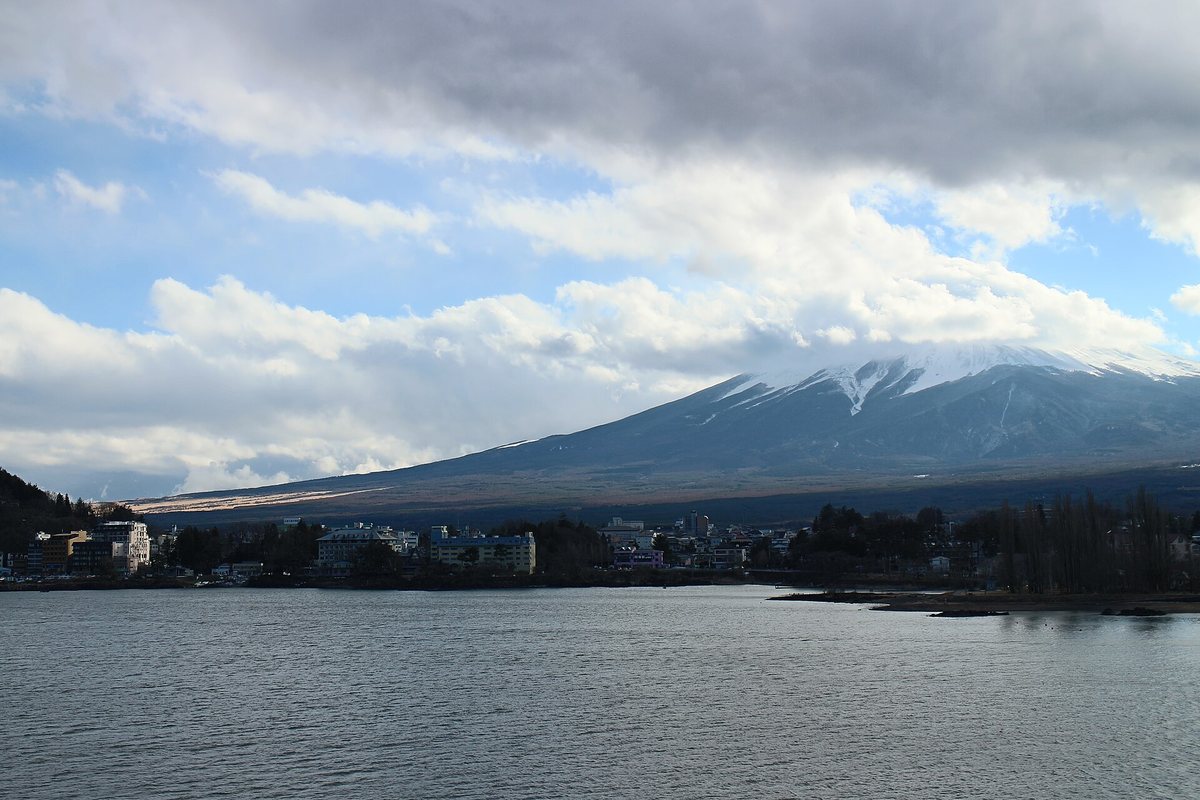
Most visitors see Fuji from the Fuji Five Lakes area or a train window rather than from the summit. If you do want to climb, plan around the official season. Yamanashi Prefecture ran the 2026 Yoshida Trail season from July 1 to September 10, with a hiking fee of 4,000 yen per person per trip, a gate that closes from 2 p.m. to 3 a.m., and a cap of 4,000 climbers a day (mountain-hut guests excepted). The 2026 season is over and the trails above the 5th Station are closed for winter; the official site warns that climbing out of season is dangerous.
- Where: Yamanashi side via Fuji Five Lakes; Yoshida Trail starts at the 5th Station
- Hours: Trails above the 5th Station closed outside the official season
- Admission: Viewing is free; Yoshida Trail hiking fee 4,000 yen per trip in season
- Best season: Climbing: the official July–September window (2026: July 1–Sept. 10)
- Booking: Yoshida Trail passage can be reserved in advance on the official climbing site
- From NY/NJ: Fly into Tokyo, then take a train or highway bus toward the Fuji Five Lakes area
- Matching tour: Lake Ashi (Hakone, Mount Fuji area) is a stop on TinMa MVSP000512 (12 days, from $599, starts in Shanghai). See TinMa for current departures.
2. Senso-ji (浅草寺), Asakusa: Tokyo's oldest temple
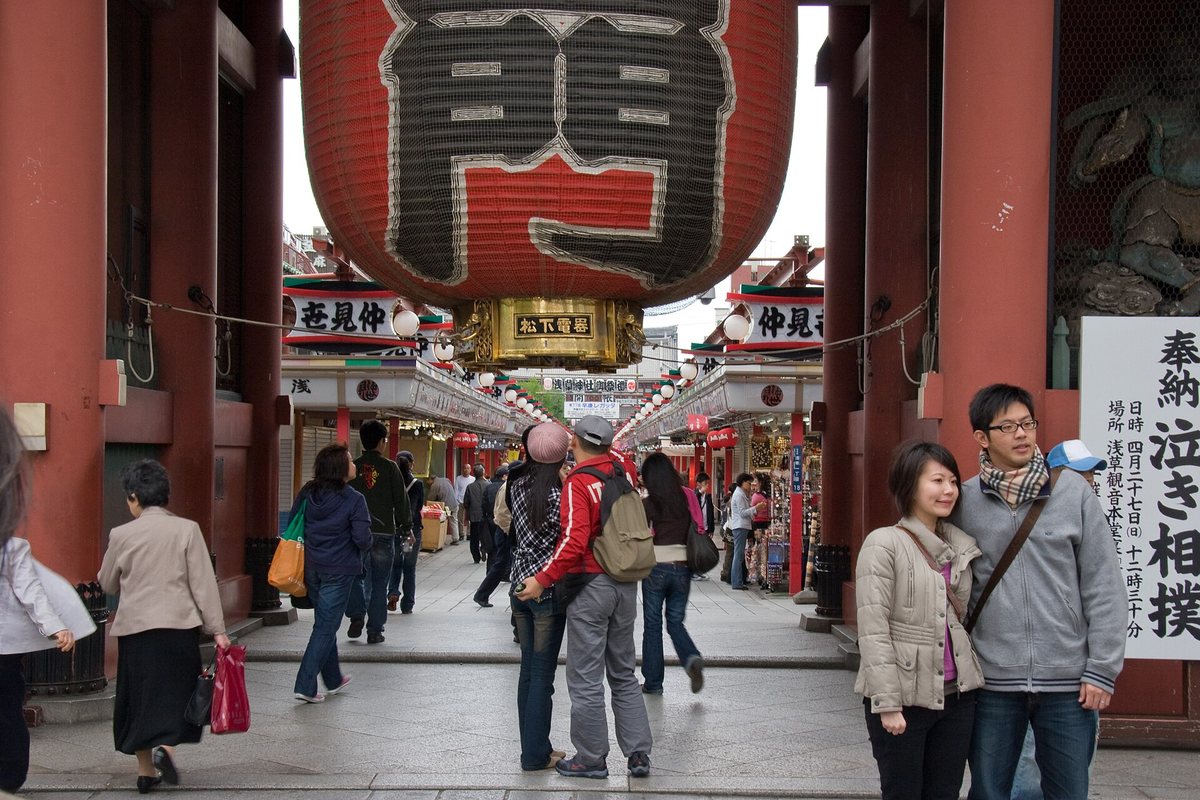
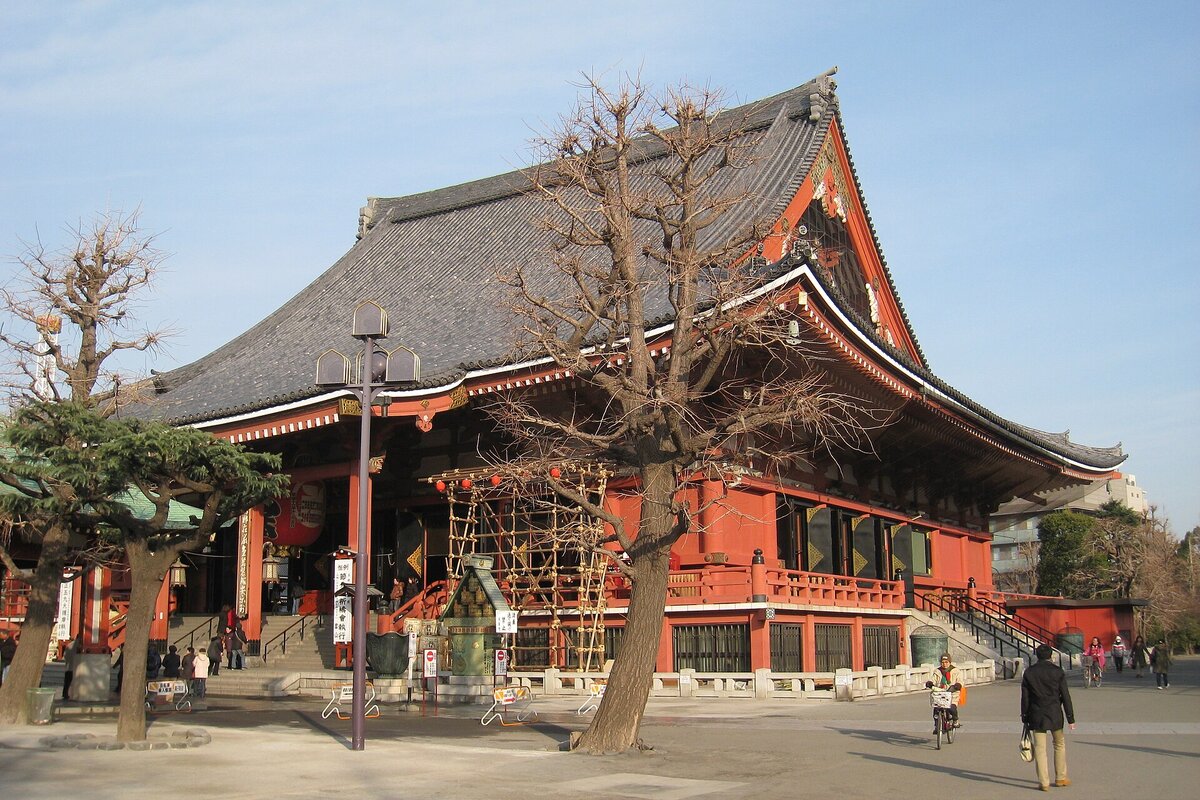
The temple calls itself the oldest in Tokyo, founded after fishermen pulled a Kannon statue from the Sumida River in 628. You walk in under Kaminarimon, the gate with the giant lantern, then down Nakamise, one of Japan's oldest shopping streets, to the Main Hall. Main Hall hours are 6 a.m. to 5 p.m. from April to September and 6:30 a.m. to 5 p.m. from October to March. If you are in Tokyo December 17–19, the year-end festival brings the Hagoita (battledore) Market.
- Where: 2-3-1 Asakusa, Taito-ku, Tokyo
- Hours: Main Hall 6 a.m.–5 p.m. (Apr–Sep); 6:30 a.m.–5 p.m. (Oct–Mar)
- Admission: Temple grounds; check the official site for ticket details
- Best season: Early morning any time of year; Hagoita Market Dec. 17–19
- Booking: Not needed
- From NY/NJ: Easy first stop after landing in Tokyo; Asakusa is a short subway ride from central Tokyo
- Matching tour: TinMa MVSP000512 (12 days, from $599, starts in Shanghai). See TinMa for current departures.
3. Tokyo Skytree (東京スカイツリー): the city from 450 meters
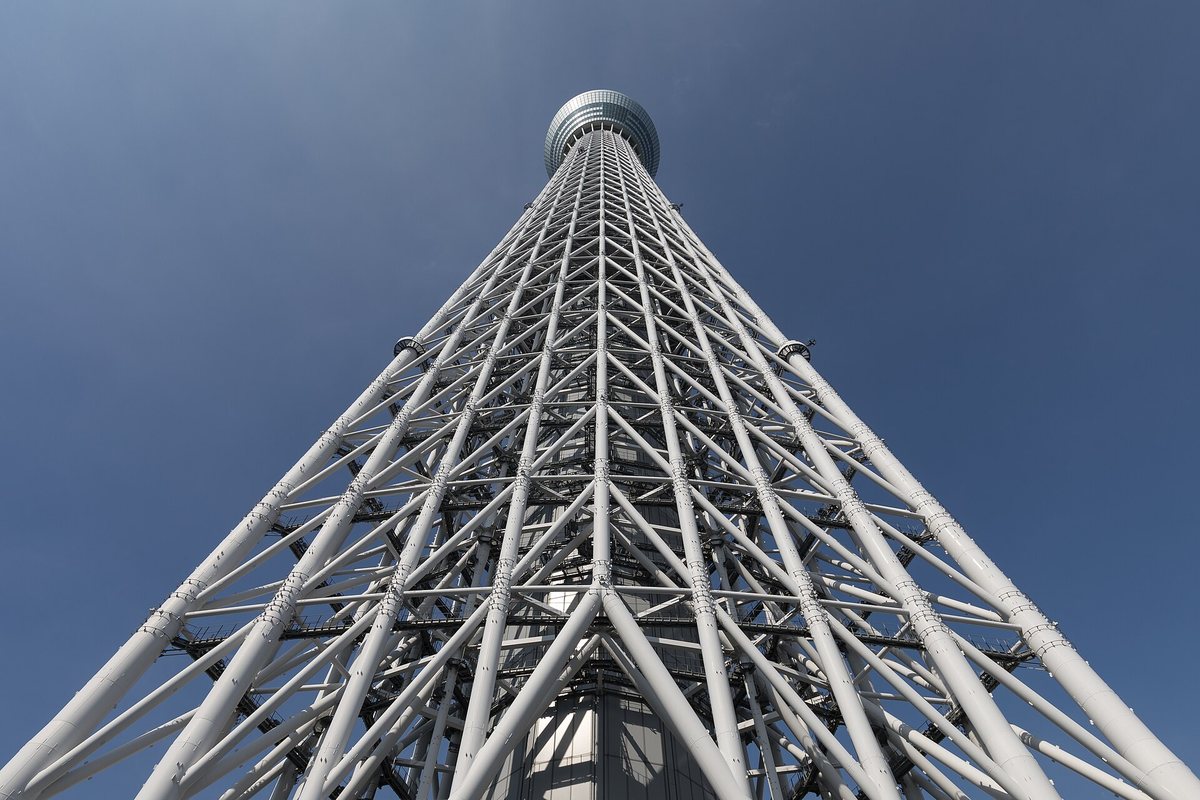
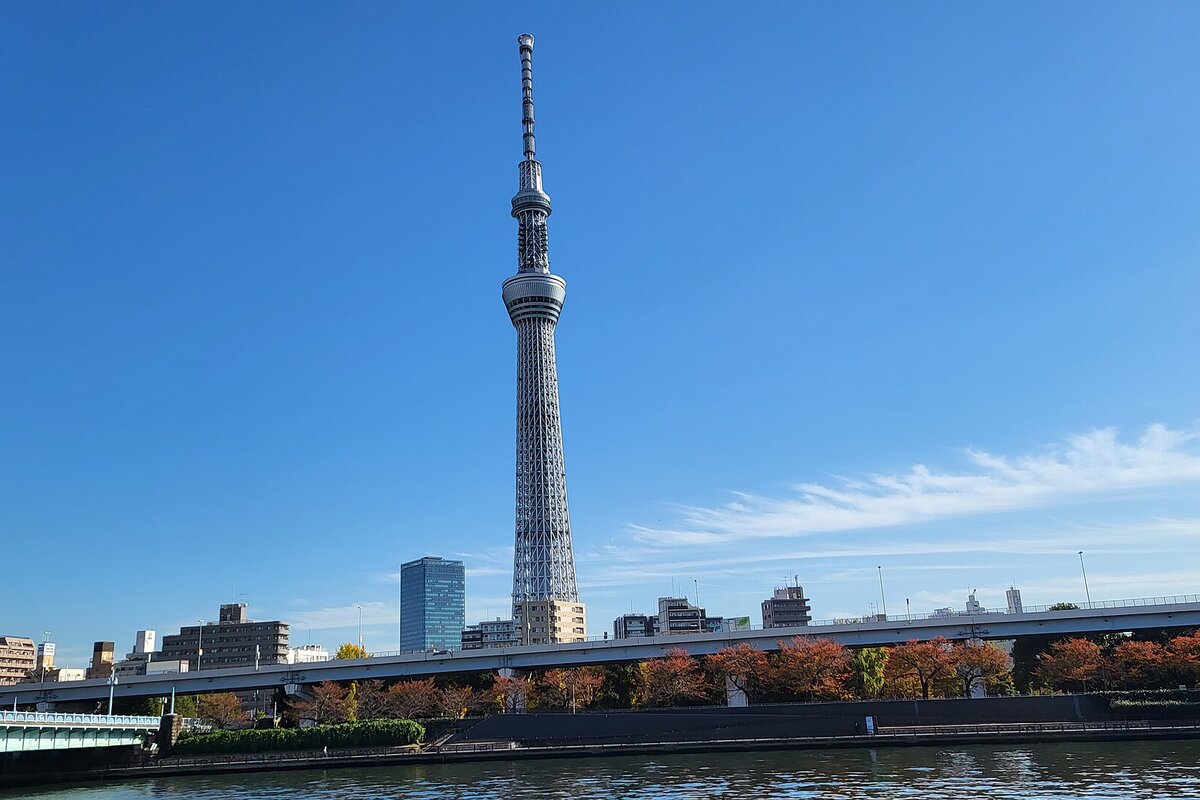
Skytree has two decks, at 350 and 450 meters, and a short walk from Senso-ji makes it an easy pairing. Prices vary by date and time. The combo ticket for Floor 350 and Floor 450 starts at 3,000 yen for adults 15 and over and from 1,500 yen for ages 6–14; children 5 and under enter free. Buying at the 4th-floor counter or a ticket machine adds 500 yen per ticket, so book online. Hours are 10 a.m. to 10 p.m., last admission 9 p.m.
- Where: Sumida, Tokyo (near Asakusa)
- Hours: 10 a.m.–10 p.m.; last admission 9 p.m.
- Admission: Floor 350 + 450 combo from 3,000 yen (15+); from 1,500 yen (6–14); 5 and under free
- Best season: Clear days; sunset slots sell fastest
- Booking: Online tickets avoid the 500-yen counter fee
- From NY/NJ: Pair with Senso-ji on your first Tokyo day
4. Shibuya Scramble Crossing (渋谷スクランブル交差点): the famous walk
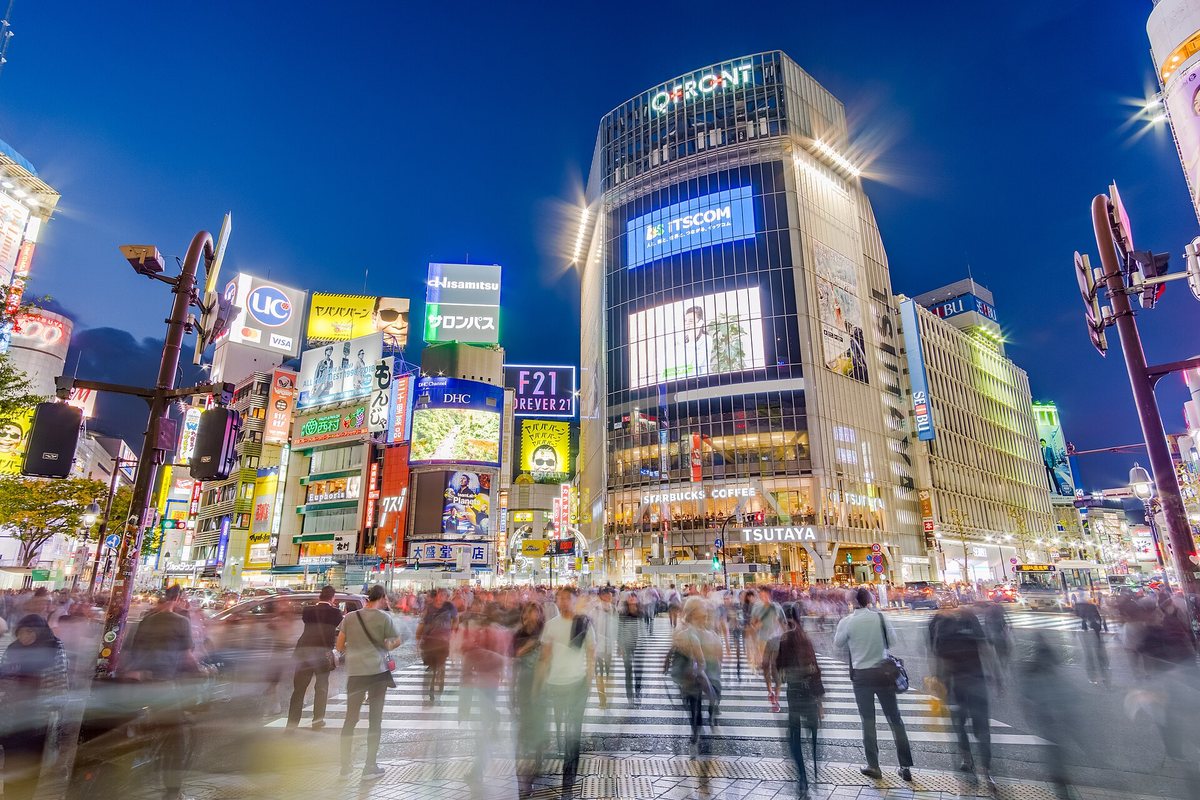
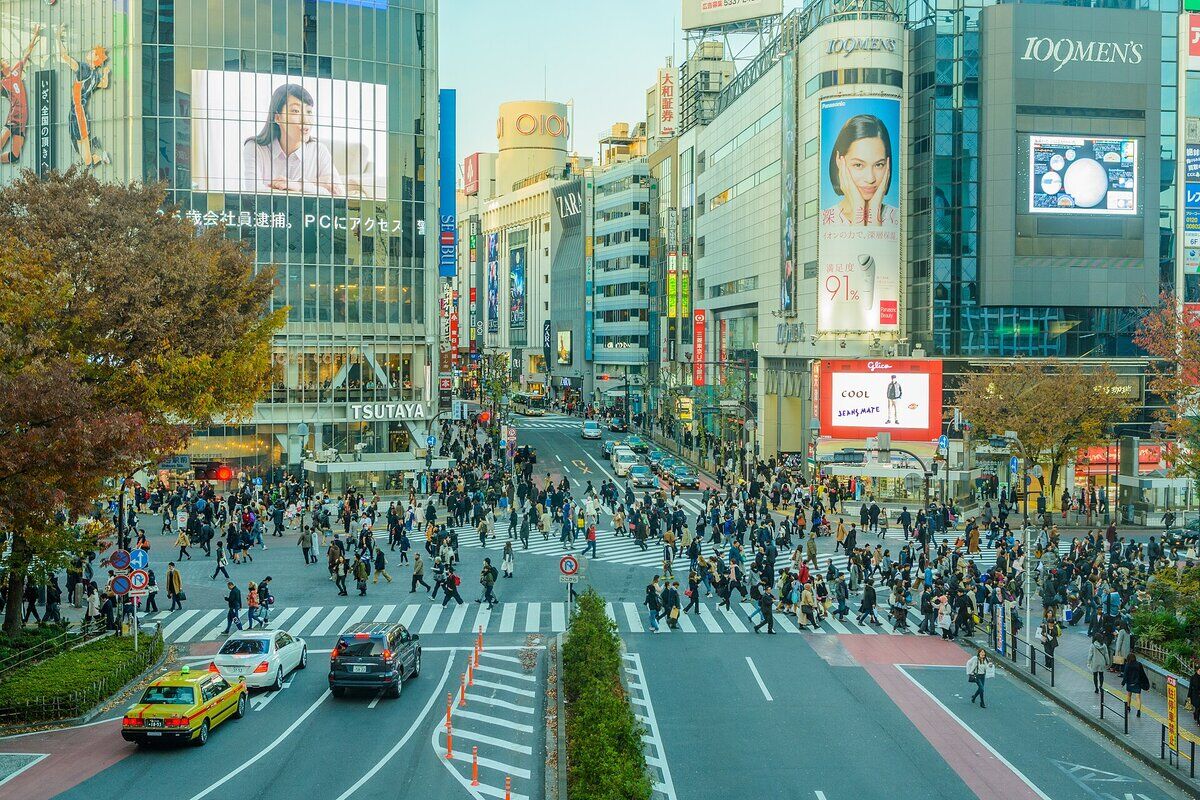
Right outside Shibuya Station, this is the intersection you have seen in a hundred movies. More than 1,000 people can cross at once when the lights change. It is a public street, so there is nothing to book: walk it once, then find a window above the square to watch the next wave. Go after dark on a weekend for the full neon effect, or early on a weekday morning if you want photos without the crush.
- Where: Outside Shibuya Station, Tokyo
- Hours: Always open (public street)
- Admission: Free
- Best season: Any season; evenings for neon
- Booking: Not needed
- From NY/NJ: Shibuya is on major rail lines from both Haneda and Narita routes into the city
5. Fushimi Inari Taisha (伏見稲荷大社), Kyoto: the torii tunnels
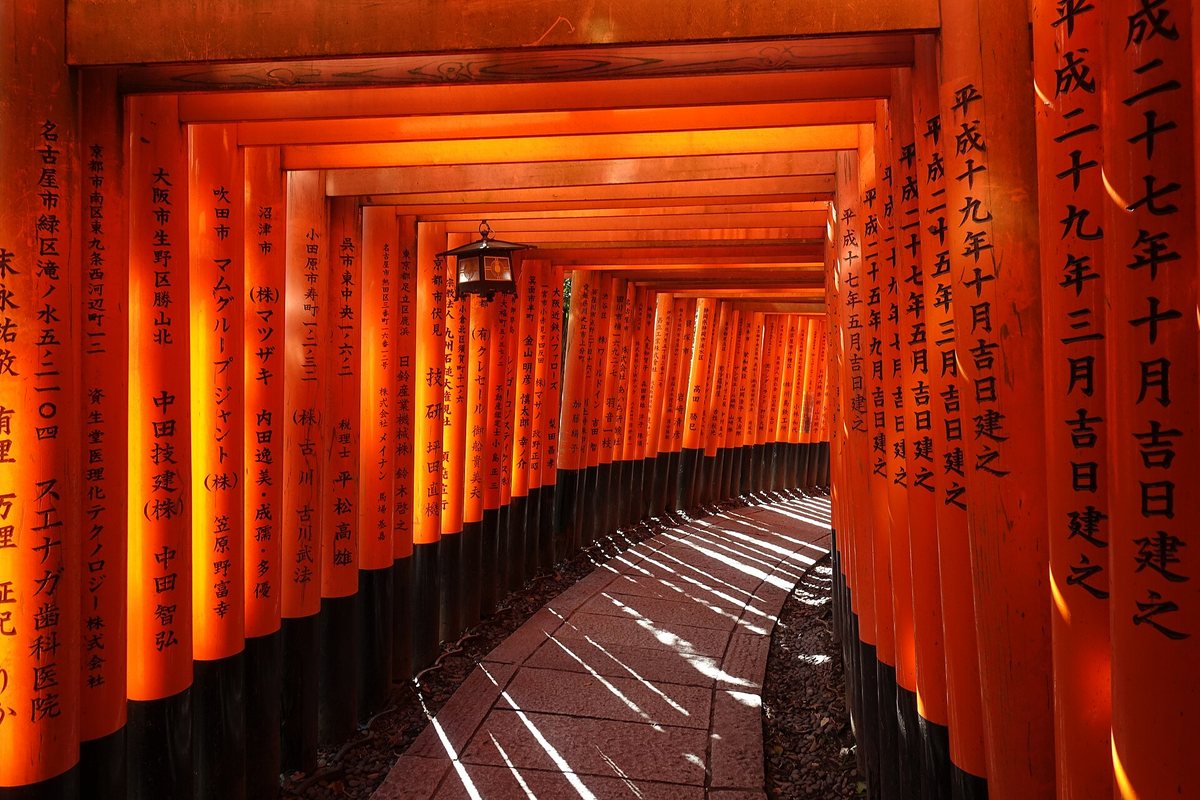
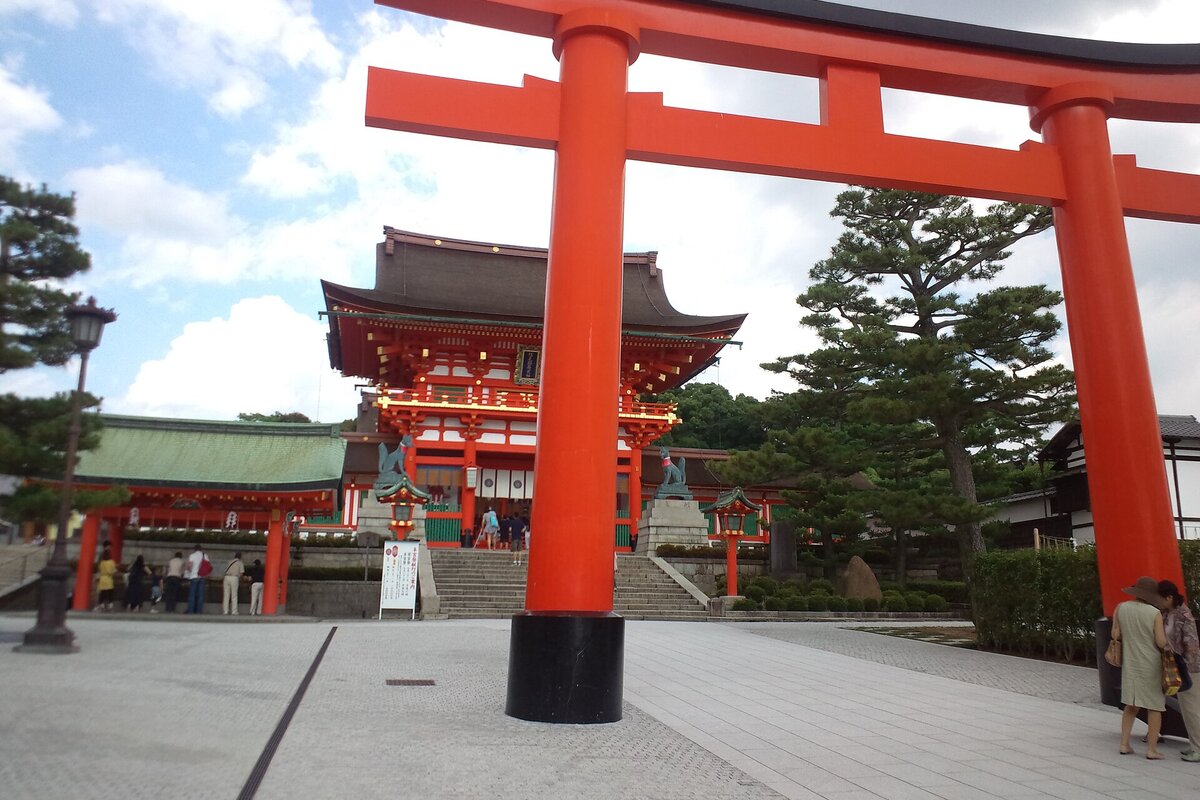
Fushimi Inari is the head shrine of some 30,000 Inari shrines across Japan, and its whole mountain, the 233-meter Inariyama, counts as shrine grounds. The shrine says around 10,000 torii gates of all sizes line the paths up the slope. The grounds are open 24 hours with no admission fee. Day-trippers crowd the first stretch, so go early or keep climbing: the farther up you hike, the quieter it gets.
- Where: 68 Fukakusa Yabunouchi-cho, Fushimi-ku, Kyoto
- Hours: Open 24 hours
- Admission: Free
- Best season: Early morning year-round
- Booking: Not needed
- From NY/NJ: Kyoto is a Shinkansen ride from Tokyo; many travelers base there for days 4–7
- Matching tour: TinMa MVSP000512 (12 days, from $599, starts in Shanghai); TinMa MVSP000439 (12 days, from $1,099, starts in Shanghai); TinMa MVSP000179 (7 days, from $1,399, starts in Tokyo). See TinMa for current departures.
6. Kiyomizu-dera (清水寺), Kyoto: the wooden stage over the city
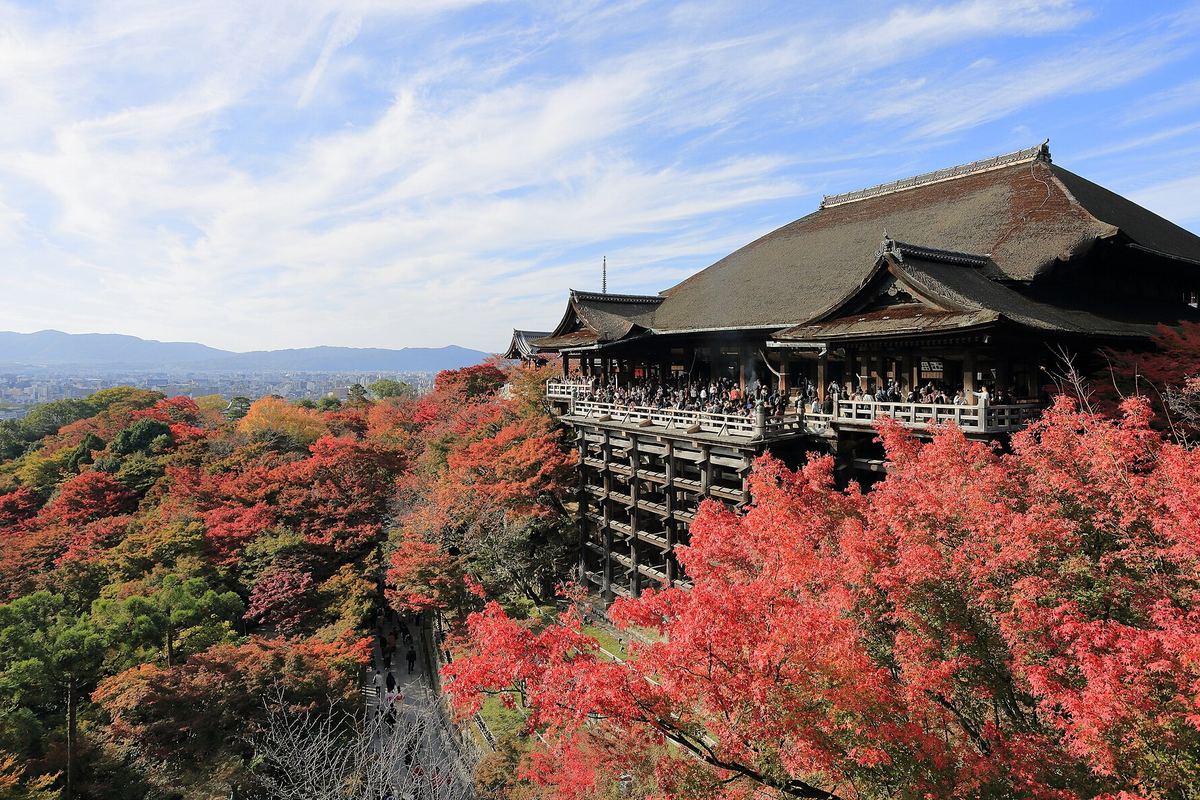
The Main Hall, rebuilt in 1633, sits on a cliff of Mount Otowa with a wooden stage that looks out over Kyoto. Below it, Otowa Waterfall splits into three streams that visitors catch with long ladles. Admission is 500 yen for adults and 200 yen for elementary and junior-high students. The temple opens at 6 a.m.; closing time changes with the season. It lists autumn leaves from mid-November to early December, and a special night viewing November 21–30, 2026, open until 9:30 p.m. with last entry at 9 p.m.
- Where: Higashiyama, Kyoto
- Hours: Opens 6 a.m.; closing varies by season (night viewing to 9:30 p.m. Nov. 21–30, 2026)
- Admission: Adults 500 yen; elementary and junior-high students 200 yen
- Best season: Autumn leaves mid-Nov–early Dec; cherry blossoms late Mar–early Apr
- Booking: Not needed
- From NY/NJ: Combine with Fushimi Inari for a full Kyoto day
7. Todai-ji (東大寺), Nara: the Great Buddha Hall
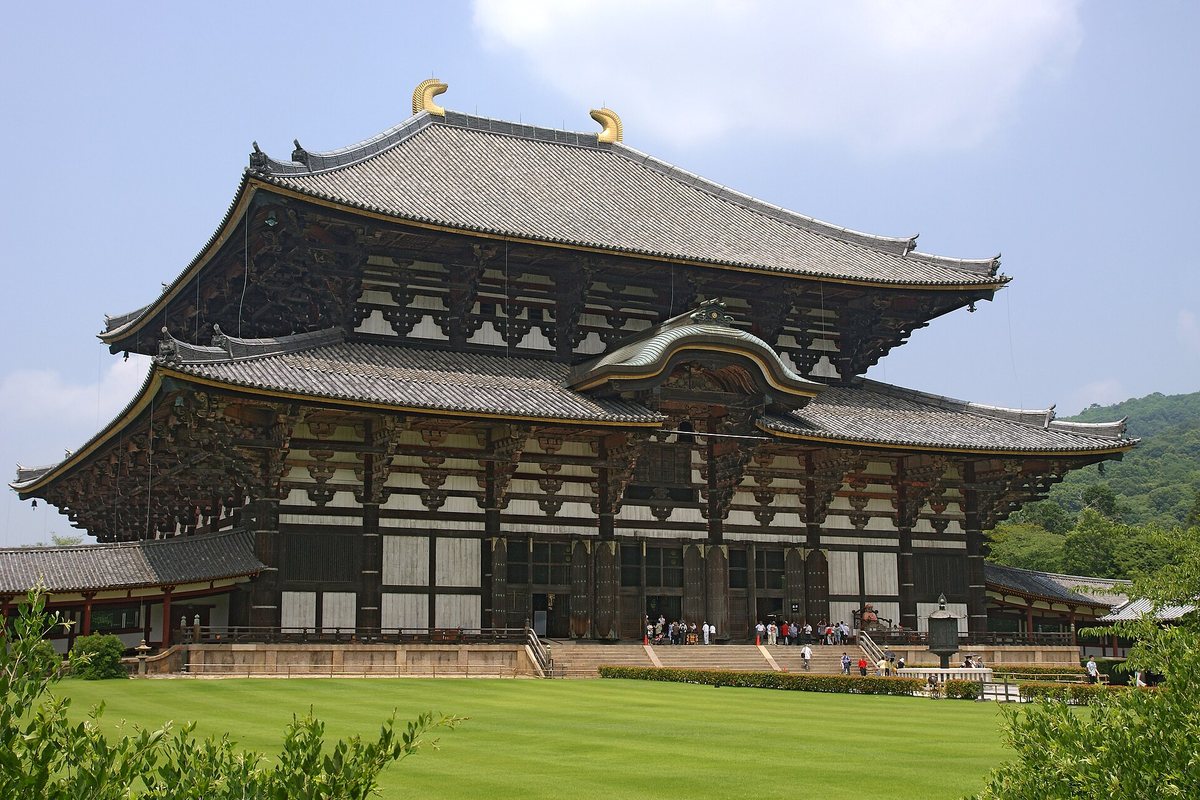
Nara makes an easy day trip from Kyoto, and Todai-ji's Great Buddha Hall is the reason most people go. Admission is 800 yen for anyone 13 and older and 400 yen for ages 6–12; a joint pass with the Todai-ji Museum is 1,200 yen. The hall opens 7:30 a.m.–5:30 p.m. from April to October and 8 a.m.–5 p.m. from November to March. Kintetsu Nara Station is about 50 minutes from Kyoto Station on the Kintetsu line.
- Where: 406-1 Zoshi-cho, Nara
- Hours: Great Buddha Hall 7:30 a.m.–5:30 p.m. (Apr–Oct); 8 a.m.–5 p.m. (Nov–Mar)
- Admission: 800 yen (13+); 400 yen (6–12); museum joint pass 1,200 yen
- Best season: Any season; arrive at opening to beat tour groups
- Booking: Not needed
- From NY/NJ: Day trip from your Kyoto base
- Matching tour: Nara Park is a stop on TinMa MVSP000512 (12 days, from $599, starts in Shanghai); TinMa MVSP000439 (12 days, from $1,099, starts in Shanghai). See TinMa for current departures.
8. Himeji Castle (姫路城): Japan's white heron castle
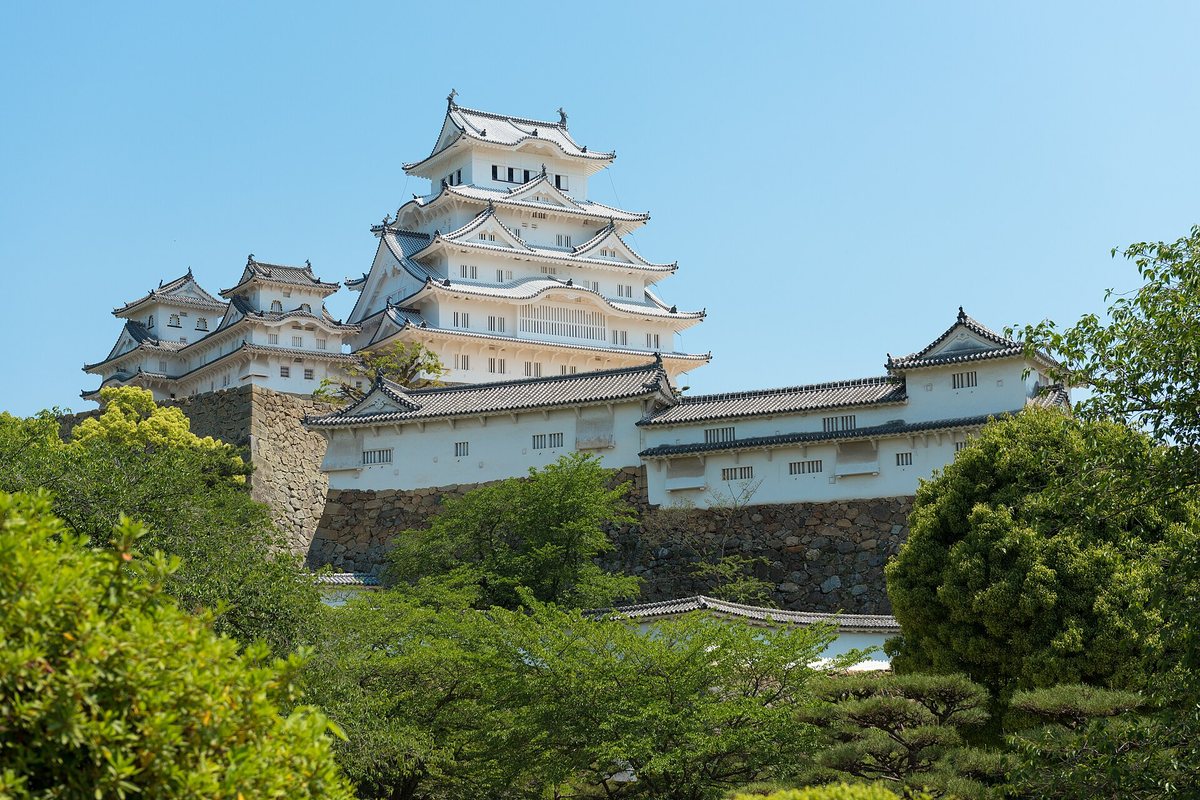
Himeji Castle raised its admission on March 1, 2026: visitors 18 and over who do not live in Himeji now pay 2,500 yen, and everyone under 18 enters free. A combined ticket with neighboring Koko-en Garden is 2,600 yen. The castle is open 9 a.m. to 5 p.m. with last entry at 4 p.m., and closes only December 29–30. Shoes come off inside the main keep, and the stairs are steep and narrow, so wear thick socks and leave time; the city sells a timed digital ticket for busy days.
- Where: 68 Honmachi, Himeji, Hyogo
- Hours: 9 a.m.–5 p.m.; last entry 4 p.m.; closed Dec. 29–30
- Admission: 2,500 yen (18+, non-residents); under 18 free; with Koko-en 2,600 yen
- Best season: Any season; lit up from sunset to midnight
- Booking: Optional timed digital ticket for busy days
- From NY/NJ: An easy Shinkansen stop between Kyoto/Osaka and Hiroshima
- Matching tour: TinMa MVSP000375 (7 days, from $1,299, starts in Osaka); TinMa MVSP000371 (7 days, from $1,299, starts in Osaka). See TinMa for current departures.
9. Itsukushima Shrine (嚴島神社), Miyajima: the gate in the sea
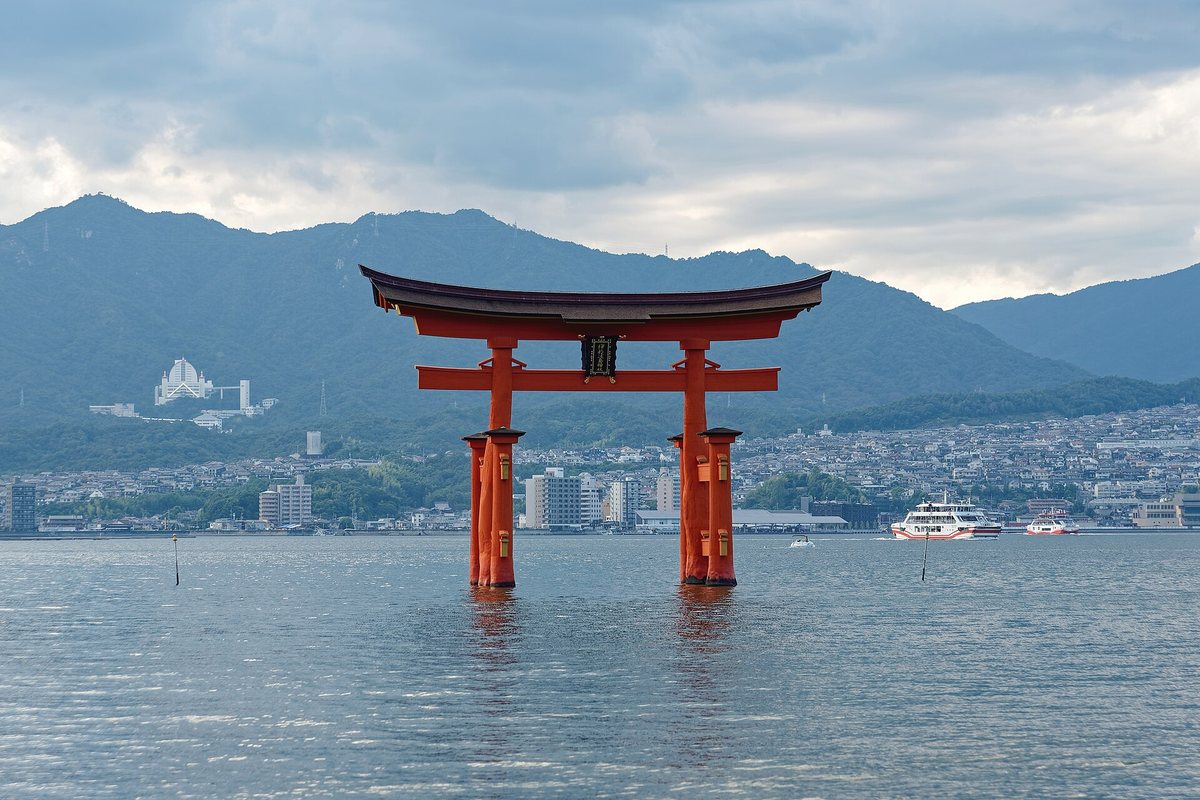
The ferry from Miyajimaguchi takes about 10 minutes, and Miyajimaguchi Station is about 30 minutes from Hiroshima Station on the Sanyo Line. Every ferry ticket includes Hatsukaichi City's 100-yen Miyajima Visitor Tax (preschoolers exempt). Shrine admission is 300 yen for adults, or 500 yen with the Treasure Hall. Check a tide table before you go: the gate looks like it floats at high tide.
- Where: 1-1 Miyajima-cho, Hatsukaichi, Hiroshima
- Hours: See the shrine's official hours page
- Admission: Shrine 300 yen (adults); with Treasure Hall 500 yen; plus 100-yen visitor tax on the ferry
- Best season: Any season; check high tide for the floating look
- Booking: Not needed
- From NY/NJ: Shinkansen to Hiroshima, then the Sanyo Line to Miyajimaguchi
- Matching tour: TinMa MVSP000375 (7 days, from $1,299, starts in Osaka). See TinMa for current departures.
10. Dotonbori (道頓堀), Osaka: neon, billboards and street food
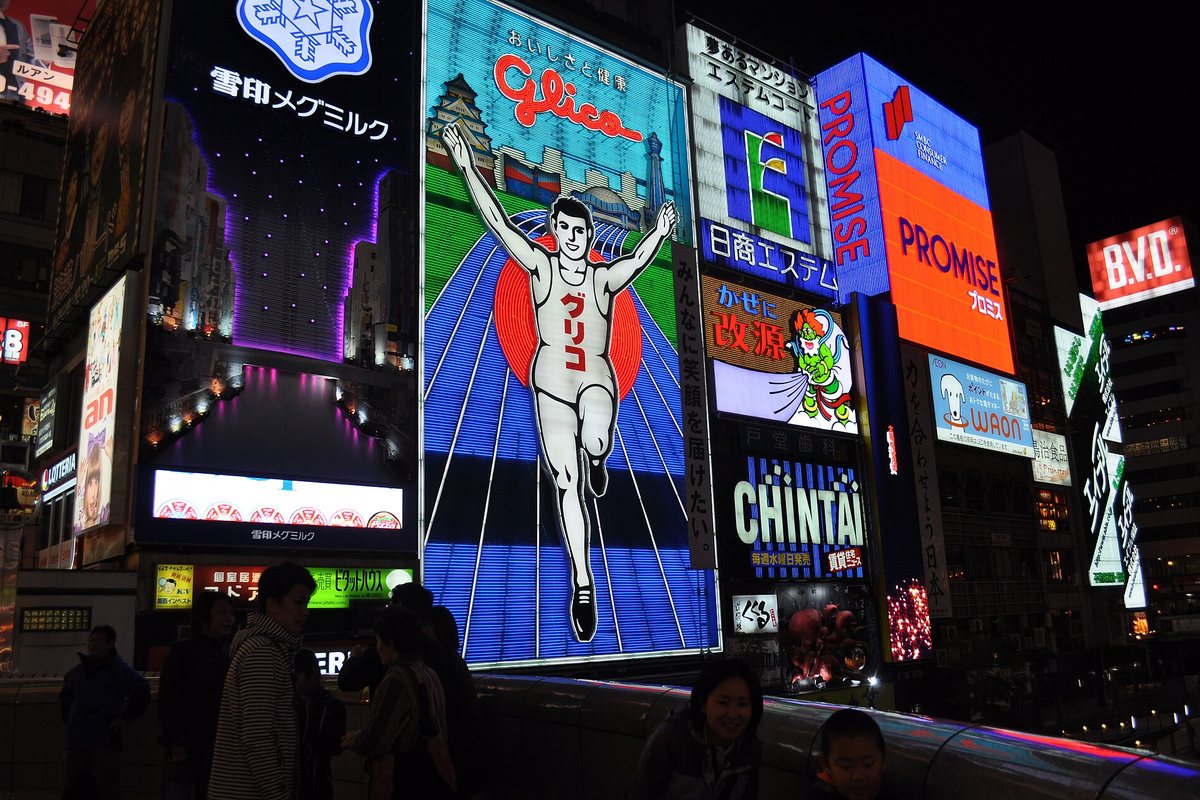
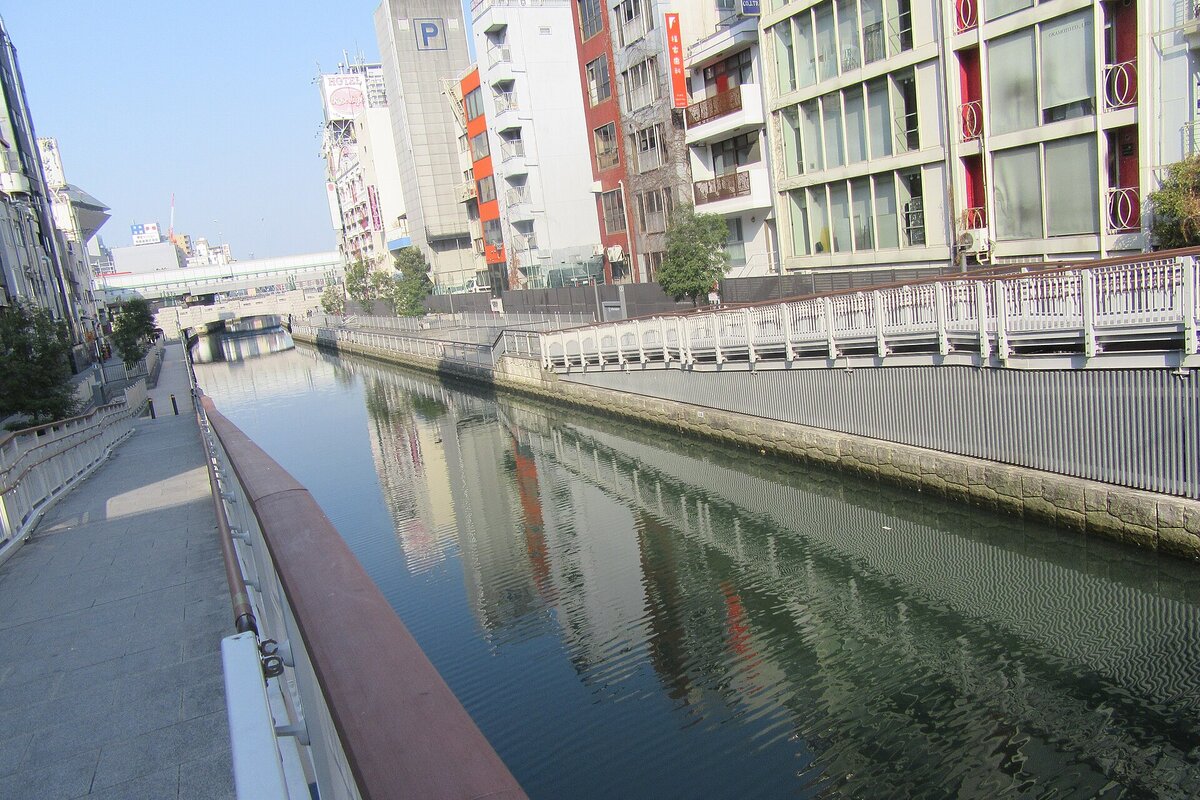
Dotonbori is Osaka's signature dining and shopping strip in the Minami area, lined with giant billboards. The one everyone photographs is the Glico running man at 1-10-2 Dotonbori; it is best seen from Ebisubashi Bridge and lights up from sunset until midnight. There is no ticket, just a canal walk and a lot of takoyaki stands. End a Kansai trip here, then fly home from Kansai or ride back to Tokyo.
- Where: Dotonbori, Chuo-ku, Osaka (Minami area)
- Hours: Public street; Glico sign lit sunset to midnight
- Admission: Free to walk; food priced by each shop
- Best season: Any season; go after dark
- Booking: Not needed
- From NY/NJ: Open-jaw idea: fly into Tokyo, out of Osaka (Kansai), with a connection
Before you fly from New York or New Jersey
- Entry: Japan's consulates in the U.S. say U.S. passport holders do not need a visa for short-term tourist stays of up to 90 days.
- Flights: Tokyo has nonstop service from the New York area (JFK and Newark). Compare carriers and airports on the airlines' own sites.
- Route: Tokyo (Senso-ji, Skytree, Shibuya), then Fuji, Kyoto and Nara, Himeji, Miyajima and Osaka is a common west-bound line.
- Back home: for Japanese food without the flight, see our Moru hand-roll review in Fort Lee and Kyoto chef Nakago Matsumoto's NYC residency.
More stops on TinMa tours: Hokkaido
Two Hokkaido stops show up on a TinMa itinerary: the Blue Pond in Biei (see the official Hokkaido page) and Asahiyama Zoo in Asahikawa. If you go in winter, our Hoshino Resorts TOMAMU guide covers a ski base nearby.
TinMa MVSP000372 (7 days, from $1,279, starts in Hokkaido). See TinMa for current departures.
FAQ
What are the must-visit iconic spots in Japan?
This list covers 10: Mount Fuji, Senso-ji, Tokyo Skytree, Shibuya Scramble Crossing, Fushimi Inari Taisha, Kiyomizu-dera, Todai-ji in Nara, Himeji Castle, Itsukushima Shrine on Miyajima and Dotonbori in Osaka.
Which iconic Japan spots are free?
Fushimi Inari Taisha, Shibuya Scramble Crossing and Dotonbori charge no admission, the Senso-ji temple grounds need no ticket, and viewing Mount Fuji is free. Kiyomizu-dera, Todai-ji, Himeji Castle, Tokyo Skytree and Itsukushima Shrine charge admission.
Can you climb Mount Fuji in winter?
No. The 2026 Yoshida Trail season ran July 1 to September 10; trails above the 5th Station are closed for winter, and climbing out of season is dangerous.
How much is Himeji Castle admission in 2026?
Since March 1, 2026, it is 2,500 yen for visitors 18 and over who do not live in Himeji, and free for anyone under 18. A combined ticket with Koko-en Garden is 2,600 yen.
Do U.S. citizens need a visa for Japan?
Not for short tourist trips. Japan's consulates in the U.S. say U.S. passport holders can stay up to 90 days without a visa for tourism.
When are autumn leaves at Kiyomizu-dera?
The temple lists autumn leaves from mid-November to early December, and holds a special night viewing November 21–30, 2026, open until 9:30 p.m.
Sources
- Official Website for Mt. Fuji Climbing — Yoshida Trail rules 2026
- Mt. Fuji Climbing — Yoshida Trail reservations
- Senso-ji (official)
- Senso-ji — monthly notice (hours)
- Tokyo Skytree — tickets and prices
- Tokyo Skytree — opening hours
- GO TOKYO — Shibuya Scramble Crossing
- Fushimi Inari Taisha — FAQ
- Kyoto Prefecture Tourism — Fushimi Inari Taisha
- Kiyomizu-dera — Visit and 2026 events
- Kiyomizu-dera — admission fee notice
- Todai-ji — Opening Hours / Admission Fees
- Todai-ji — Access
- Himeji Castle (City of Himeji) — visitor information
- Visit Himeji — Revision of Himeji Castle admission fees
- Itsukushima Shrine — Admission
- Hatsukaichi City — Miyajima Visitor Tax
- JNTO — Miyajima
- Osaka Info — Dotonbori
- Ittoko Minami — Glico sign
- Consulate-General of Japan — visas for U.S. citizens
Disclaimer
Fees, hours, seasons and entry rules change. Confirm with the official site, your airline and the relevant government before you book or fly. Daily Bao is not affiliated with the places listed, and a listing is not an endorsement. Spot a correction? Email contact@dailybaonews.com. TinMa tour lines show catalog "from" prices in USD; departure dates, inclusions and prices change, and a listing is not a guaranteed booking.
Follow Daily Bao News 每日包點新聞 for the next country guide.